Behind the Warehouse: What Your Current 3PL Isn’t Telling You About Data
This week, I was on a call with a brand desperate to leave their 3PL.
When asked if they could share data from their current provider, they responded, “I think we have an Excel sheet somewhere, but our 3PL has never really explained what any of it means.”
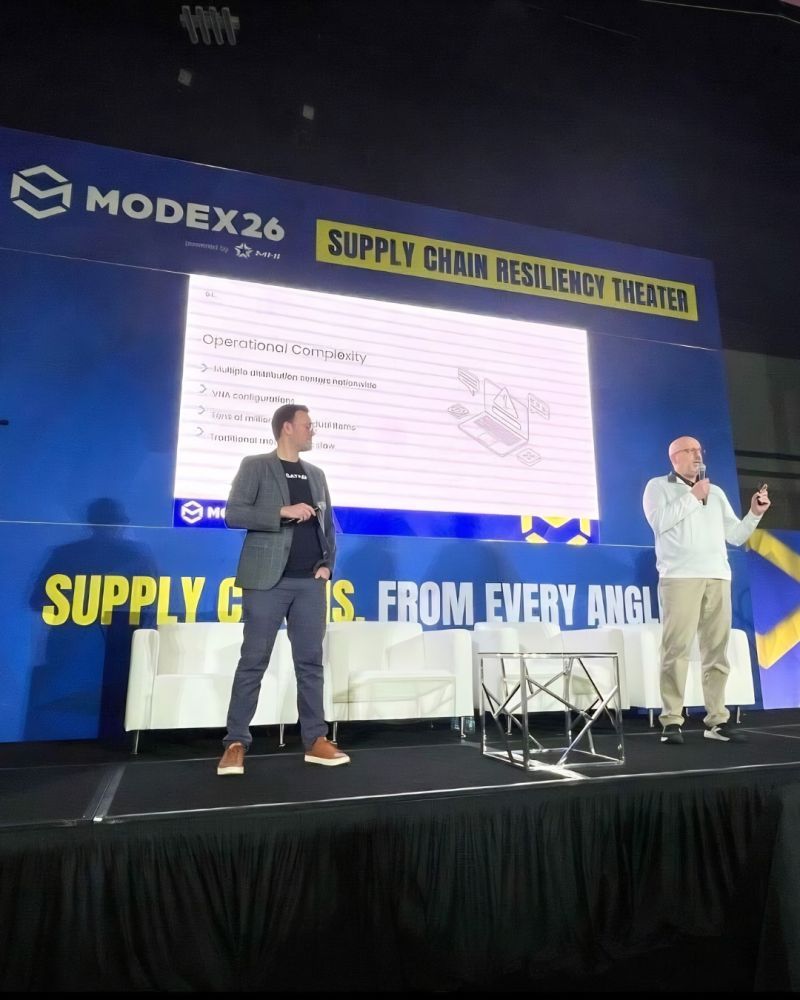
I went straight to , the Director of Data & Analytics at 果冻传媒, to break down the data questions that matter most for brands.
From cost control to forecasting, here is what every brand should be asking about data before choosing a 3PL partner.
Why is data so important in supply chain operations?
Two reasons: cost and service. Costs are climbing across the board, so it is critical to have accurate data to manage and optimize spend. At the same time, visibility is now a baseline expectation. Knowing where products are and when they will reach customers is fundamental, and the right 3PL partner uses data to keep both cost and service in balance.
Where is data analytics headed in the 3PL industry?
Automation is expanding rapidly. Robotics, computer vision, and similar tools are becoming more affordable and less capital intensive. On the technology side, the next evolution is agentic AI. These tools do not just report on what already happened, they proactively identify anomalies and anticipate issues before they escalate.
What makes a data analytics team stand out in 3PL?
An exceptional team delivers both internal decision-making power and external insights for clients. At 果冻传媒, that means:
- Dashboards and portals clients can access directly
- Monthly and quarterly reviews that surface actionable insights
- In-house ownership of analytics for agility and speed
- Context-driven reporting that translates numbers into strategy
This dual focus ensures that brands see their data and understand how to act on it.
How do analytics prevent costly inventory mistakes?
Frequent review is key. Dashboards highlight both fast movers at risk of stockouts and inventory that has been sitting for extended periods, such as 90 days. Context matters, which is why seasonality and product type are built into the analysis. This ensures brands receive meaningful recommendations that lead to better planning, fewer surprises, and lower carrying costs.
Can a 3PL support forecasting and budgeting?
Yes! It is often a deciding factor for clients choosing 果冻传媒. We work in two ways:
- Converting client sales forecasts into volume and cost projections
- Using machine learning models for brands without in-house forecasting capabilities
Both approaches help brands set realistic budgets and align resources for growth.
Can analytics catch issues before they become major problems?
Absolutely. Making performance data visible across the organization helps catch issues quickly. On top of that, anomaly detection flags deviations from historical patterns. Together, these practices give clients peace of mind that problems are identified early rather than after the fact.
How can analytics directly save money?
Two proven examples:
- Transportation spend: analyzing service levels to ensure brands are not overpaying for speed they may not need
- Ordering patterns: adjusting how products are ordered, such as shifting from partial cases to full cases, which reduces handling costs
What role does Paccurate play in cost savings?
果冻传媒 partners with Paccurate for cartonization, determining the best box for every shipment. This reduces waste, errors, and shipping costs. Paccurate also evaluates packaging history to confirm whether the box mix itself should be adjusted, uncovering additional savings opportunities.
How do clients access their analytics?
There are two main touchpoints:
- A web portal with embedded dashboards where clients can pull their own reports and track trends
- Business reviews, monthly or quarterly, where insights are presented with recommendations for improving cost and service
How do you balance fulfillment speed with accuracy?
Quality checks are built into the process. Variable audits, error-based sampling, and ship accuracy metrics ensure products reach customers quickly without sacrificing accuracy.
What metrics matter most for scaling brands?
Two categories: cost and performance. Key metrics include:
- Average cost per package
- SLA speed targets, such as 24-hour fulfillment
- Inbound velocity, which measures how quickly received inventory is available to sell
Tracking these ensures that growth does not come at the expense of profitability or customer experience.
What technology powers the analytics?
果冻传媒 uses a modern cloud-based stack:
- Snowflake as the data warehouse
- dbt for transformations and applied business logic
- Tableau for visualization, embedded directly in client portals
This combination provides both flexibility and scalability as brands grow.
How do you track productivity without micromanaging?
Transparency and fairness are key. Metrics are measured equitably and tied back to cost savings. Through 果冻传媒’s profit-sharing programs, employees see a direct link between hitting productivity targets and shared rewards. This drives performance while maintaining high employee satisfaction.
Can analytics improve pricing for clients?
Yes. The more complete the data, the tighter and more competitive the pricing solution. New clients often see broader estimates, but after a year of working with 果冻传媒, historical data allows for far more precise pricing models.
What is “click to porch” and why does it matter?
Click to porch measures the time between when a customer places an order and when it arrives at their door. Brands should aim to minimize this window while managing costs, because it directly impacts customer satisfaction and repeat purchases.
How granular can demand forecasting get?
With strong data, forecasts can reach the product category or even item level. Apparel, footwear sizes, and seasonal items often have unique demand curves. 果冻传媒’s analytics help clients plan with this level of detail.
How does data strengthen client relationships?
By creating a level playing field. When both sides work from the same data set, assumptions disappear. Conversations are based on facts, transparency builds trust, and partnerships grow stronger.
Can clients request custom reports?
Yes. 果冻传媒 collects extensive data and can provide custom reporting. More importantly, reports are aligned with client goals so they inform decisions rather than simply share numbers.
How do analytics improve efficiency inside the warehouse?
Two main levers:
- Accurate forecasts that inform labor planning
- Equitable productivity tracking that keeps operations efficient while respecting employees
The result is faster and more reliable fulfillment for clients.
Don't settle for spreadsheets without explanations if you've read this far!
Behind every successful brand is a supply chain partner who knows how to use data. 果冻传媒 has been doing that for more than 80+ years.
Contact us now for a free consultation with a 3PL expert.
Recent Blog Posts