Most Warehouses Buy the Wrong Robots — Here’s How ¹û¶³´«Ã½ Avoids That

Katherine Wroth • December 16, 2025

Warehouse automation isn’t new, but determining when it actually makes sense is where most companies struggle.


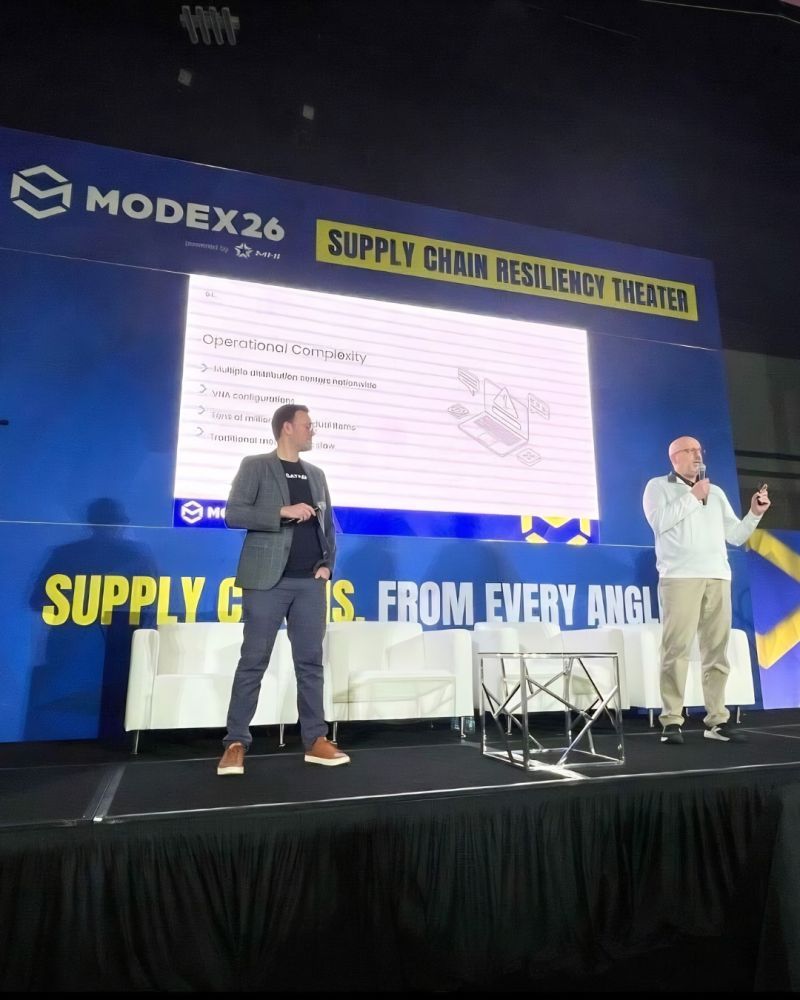
Recorded live at WERC 2025 in New Orleans, this conversation brings together leaders directly involved in real-world warehouse automation decisions. interviews , founder of Robot Advisors, and our very own CEO of ¹û¶³´«Ã½ ¹û¶³´«Ã½Centers. They sit down for a practical discussion on robotics, drones, and the hype surrounding automation.


The focus stays on what actually matters: cost per unit, operational fit, employee experience, and ROI.


If you’re evaluating warehouse automation or wondering why past investments haven’t delivered, this breakdown offers practical, experience-backed insights.


Why ¹û¶³´«Ã½ took a robot-agnostic approach


One of the most important takeaways from the WERC session: there is no one-size-fits-all robot.

¹û¶³´«Ã½ was an early adopter of autonomous mobile robots (AMRs), including systems from Locus Robotics and Six River Systems. But instead of standardizing on one solution, the company evaluates automation based on:

  • SKU count and product size
  • Order profiles and velocity
  • Facility layout
  • Customer growth expectations


A footwear operation with serialized inventory has very different needs than an apparel fulfillment center, and ¹û¶³´«Ã½ treats them that way.


The result: better outcomes for customers and lower long-term operational risk.


Inventory drones: the unexpected game changer


While AMRs get the spotlight, ¹û¶³´«Ã½’s biggest automation win came from inventory drones.

Using drone-based cycle counting, ¹û¶³´«Ã½ increased inventory count frequency by more than 7x while significantly reducing labor costs. For high-accuracy environments, especially serialized footwear inventory, this technology proved essential.


The impact went beyond numbers:


  • Higher inventory accuracy
  • Faster exception resolution
  • Better employee roles focused on analysis instead of manual counting


In short, automation didn’t eliminate jobs. It made them better.


How ¹û¶³´«Ã½ really thinks about ROI


ROI isn’t ignored, but it isn’t the only metric.


¹û¶³´«Ã½ evaluates automation using cost per unit shipped rather than chasing flashy payback models. Capital investments are amortized based on contract life and redeployment potential, then layered with labor and operating costs.


The guiding question is simple: Which solution produces the lowest sustainable cost per unit?


That approach keeps decision-making grounded and aligned with customer outcomes, not tech hype.


“To bot or not” starts with a baseline


Chris Lingenfelter, founder of Robot Advisors, reinforced a critical point during the session:


You can’t evaluate automation if you don’t understand how your warehouse operates today.


Many companies struggle to answer basic questions:


  • What does each unit really cost to ship?
  • Where are labor inefficiencies hiding?
  • Which processes are already working well?


Before recommending automation, Robot Advisors helps operators establish a true baseline, then compare technologies objectively. Sometimes, the right answer isn’t robotics at all.


That honesty matters.


Automation as a competitive advantage for 3PLs


For ¹û¶³´«Ã½, automation isn’t just an operational tool. It’s a competitive differentiator.


When engaging new prospects, the team often presents:


  • Multiple automation paths
  • Clear tradeoffs between solutions
  • A data-backed rationale for each option


That depth of analysis resonates with COOs and CFOs evaluating long-term fulfillment partners. It signals preparedness, transparency, and experience, not guesswork.


The workforce question: what changes, what doesn’t


As robotics adoption increases, warehouse roles are evolving.


At ¹û¶³´«Ã½, automation shifted labor away from repetitive tasks and toward:


  • Exception management
  • System oversight
  • Data analysis
  • Engineering and IT support


Over time, this required growing centralized IT and engineering teams, a necessary investment to support advanced operations across multiple facilities.


The takeaway from WERC 2025 was clear: automation changes work. It doesn’t eliminate the need for people.


Thinking about automation, but not sure where to start?

Contact us now for a free supply chain consultation.

Recent Blog Posts
By Faith Artieda May 28, 2026
This year marks an important milestone for ¹û¶³´«Ã½ ¹û¶³´«Ã½— 20 years of participating in The Great Game of Business® (GGOB) , a program that has helped shape our culture, strengthen employee engagement, and create a stronger sense of teamwork and shared success across the organization. Over the past two decades, GGOB has become much more than a business program at ¹û¶³´«Ã½. It has become part of the way we communicate, collaborate, and grow together as a company. Through open-book management principles, weekly huddles, forecasting, scoreboards, and Mini Games, employees across ¹û¶³´«Ã½ locations have had the opportunity to better understand the business and actively contribute to its success. One of the most meaningful impacts of GGOB has been the way it brings people together. In an industry built on precision, service, and operational excellence, collaboration is essential. ¹û¶³´«Ã½’s success depends on teams working together across departments, facilities, and regions — and GGOB has helped strengthen those connections by creating a culture centered around communication, accountability, and involvement. GGOB encourages employees to think beyond their individual roles and understand how their work impacts customers, coworkers, and overall company performance. Whether it’s improving warehouse efficiency, supporting transportation operations, enhancing customer service, or identifying process improvements, employees are empowered to contribute ideas and solutions that help move ¹û¶³´«Ã½ forward.  As Tim Barret, Founder of ¹û¶³´«Ã½, states, "...we share all of the financial results with all of the employees, and they have a vested interest since they will receive a payout result." That sense of involvement creates stronger engagement across the organization. Employees are not simply completing daily tasks — they are participating in the success of the business. By understanding company goals and key performance drivers, teams are able to work together with a shared purpose and celebrate accomplishments collectively. Community and collaboration have always been important values at ¹û¶³´«Ã½, and GGOB has helped reinforce those values over the last 20 years. The program creates opportunities for employees to learn from one another, support one another, and recognize the impact each person has on the organization. It encourages transparency and open communication, helping employees feel more connected to leadership, their teams, and the company’s long-term vision. As ¹û¶³´«Ã½ has continued to grow nationwide, maintaining a strong culture has remained a priority. GGOB has played an important role in helping preserve the family-oriented environment that ¹û¶³´«Ã½ is known for, even as the company has expanded operations and welcomed new employees across the country. The program helps create consistency in communication and engagement while keeping employees connected to the bigger picture. To help celebrate this 20-year anniversary, ¹û¶³´«Ã½ owner Tim ¹û¶³´«Ã½ recently participated in a video discussion reflecting on the company’s GGOB journey and the impact it has had on ¹û¶³´«Ã½ over the years. The conversation highlighted how collaboration, employee involvement, and shared accountability continue to contribute to the company’s success today. This milestone is ultimately a celebration of the people who make ¹û¶³´«Ã½ successful every day. The dedication, teamwork, creativity, and commitment shown by employees across the organization are what continue to drive ¹û¶³´«Ã½ forward. Twenty years later, The Great Game of Business continues to strengthen the culture of collaboration and engagement that makes ¹û¶³´«Ã½ special — and the future of the game is stronger than ever.
By Faith Artieda May 26, 2026
How ¹û¶³´«Ã½ Is Improving Inventory Accuracy with AI-Powered Warehouse Visibility
By Faith Artieda May 20, 2026
Choosing the right fulfillment partner is one of the most important — and often most difficult — decisions a growing brand can make. As customer expectations continue to rise, brands are being asked to deliver faster shipping, better inventory visibility, seamless omnichannel experiences, and retail compliance at scale. At the same time, the process of finding the right 3PL partner can be time-consuming and overwhelming. That’s why ¹û¶³´«Ã½ ¹û¶³´«Ã½Centers is excited to partner with Fulfill.com. Who Is Fulfill.com? Fulfill.com is a fast-growing platform that helps eCommerce and omnichannel brands find the right third-party logistics (3PL) partner for their business. Their team works directly with brands to simplify the 3PL search process by connecting them with vetted fulfillment providers that match their operational needs, growth goals, product requirements, and shipping profiles. Founded by entrepreneurs with firsthand experience navigating fulfillment challenges, Fulfill.com was built to solve a common industry problem: too many brands waste valuable time and money trying to find a reliable logistics partner. Instead of forcing brands to sort through endless provider options on their own, Fulfill.com streamlines the process through industry expertise, technology, and a carefully curated network of fulfillment providers across multiple verticals. For brands, that means less guesswork and a faster path toward finding a fulfillment partner that can truly support long-term growth. Why the Partnership Makes Sense At ¹û¶³´«Ã½, we’ve always believed fulfillment should feel like a partnership — not just a vendor relationship.  Since 1941, ¹û¶³´«Ã½ ¹û¶³´«Ã½has helped brands scale through customized logistics solutions designed around their specific operational needs. From direct-to-consumer fulfillment and retail distribution to transportation management and value-added services, ¹û¶³´«Ã½ focuses on building flexible, scalable solutions that evolve alongside its customers. That customer-first mindset is one of the biggest reasons this partnership with Fulfill.com feels like such a natural fit. Both companies share a common goal: helping brands build stronger, smarter supply chains without unnecessary complexity. What Really Makes a Great 3PL Partner? Recently, Bryan Corbett, ¹û¶³´«Ã½’s VP of Customer Solutions & Marketing, sat down with Dan White, COO of Fulfill.com, during a visit to ¹û¶³´«Ã½’s NJ2 warehouse to discuss what stands out when evaluating 3PL providers across the industry.
More Posts